A Prenatal Isn’t Enough: 3 Signs of a Healthy Fertility Diet
**Some of the links shared on this page are affiliate links, which means if you make a purchase through one of them, I may earn a small commission — at no extra cost to you. I only share products and resources I personally use, trust, and believe could help you on your fertility journey.
When you’re trying to conceive, it’s tempting to think that taking a high-quality prenatal vitamin checks the “nutrition” box.
But here’s the truth:
Popping a prenatal can’t make up for a poor diet when it comes to fertility.
Your supplement can help fill in nutrient gaps.
It cannot override chronic inflammation, blood sugar chaos, or a lack of foundational fertility nutrition.
So what does a good fertility diet actually look like?
“Healthy” means a million different things depending on who you ask. But from the perspective of a Fertility Nutrition & Wellness Coach, here are three clear signs your nutrition for fertility is on the right track.
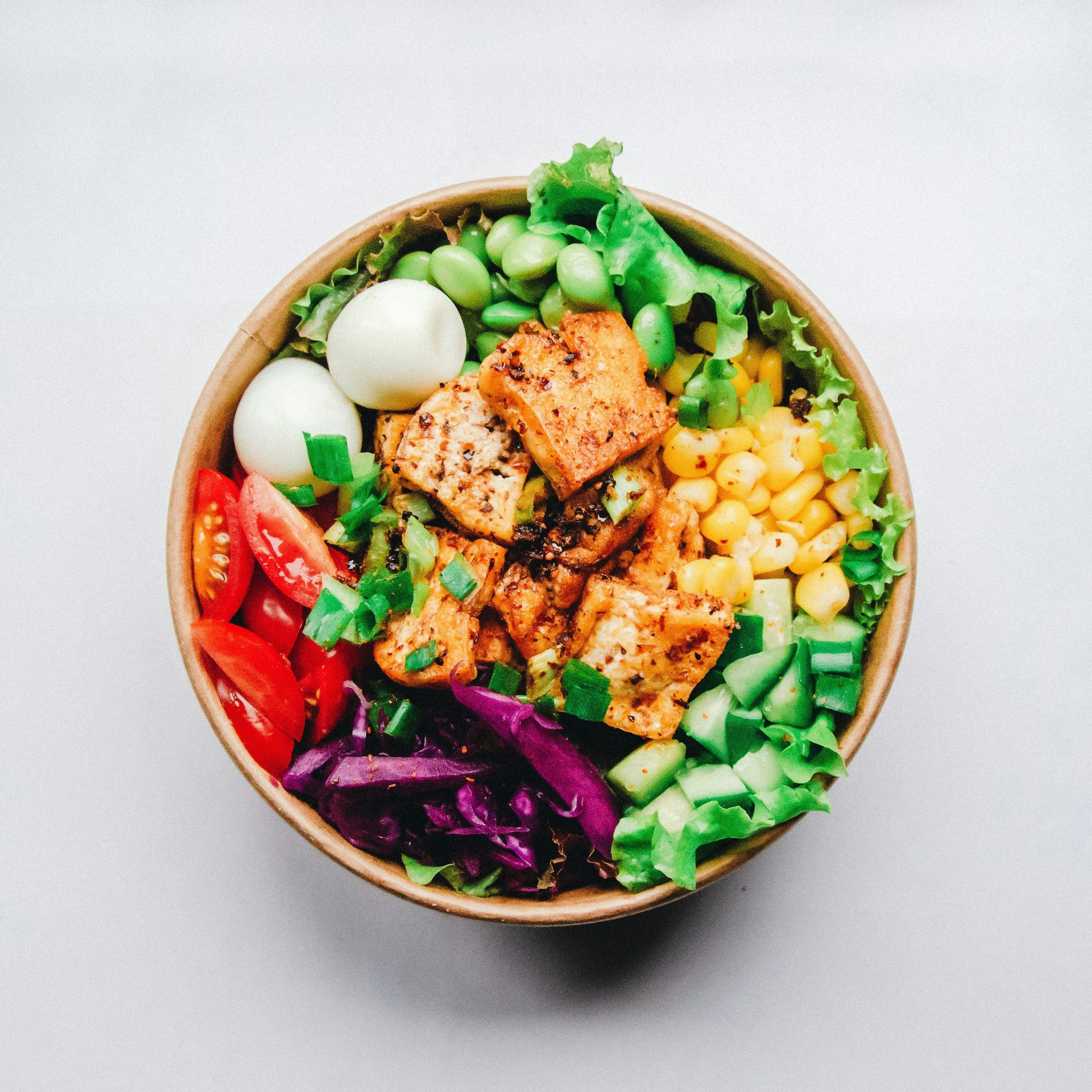
1. A Colorful Variety of Fruits and Vegetables at Every Meal
When it comes to the best foods for fertility, fruits and vegetables are non-negotiable.
The more variety, the better. But start wherever you’re at.
Barely getting in one fruit or veggie a day? Add one more at dinner.
Already in the habit? Aim for 5–8 servings daily.
Aim for progress, not perfection.
Colorful produce provides:
Fiber to support digestion and hormone detoxification
Essential vitamins and minerals for a healthy pregnancy
Antioxidants that reduce inflammation (crucial for egg health)
If you’re wondering how to improve egg quality naturally, this is the #1 place to start. Antioxidant-rich foods help protect developing eggs from oxidative stress — something supplements alone cannot fully correct.
2. Less Sugar and Refined Carbs → More Protein, Healthy Fats, and Fiber
Blood sugar balance is one of the most overlooked aspects of fertility that could be lowering your chances of getting pregnant.
Too much sugar — whether from sweet drinks, baked goods, or hidden in store-bought foods — sends your blood sugar on a rollercoaster. Other simple carbs like white bread, cereals, and pasta break down quickly into sugars, contributing to the issue. Over time, this impairs insulin sensitivity and increases inflammation, which can make it harder to get pregnant naturally.
Protein, healthy fats, and fiber stabilize blood sugar and:
Support progesterone production
Improve ovulation
Reduce inflammation
Keep you full and energized
Look at your meal and see if you can check off a source of ✔protein, ✔healthy fat, and ✔fiber. If something’s off balance, see what you can add to your plate instead of taking away.
Here are some of my favorite products to make balancing meals easier:
I put this protein powder in all my smoothies and even my oatmeal
My favorite weeknight pasta alternative is this edamame mung bean fettuccine, which packs plenty of fiber and plant-based protein
One of my lunchtime favorites that’s quick and easy to throw a meal together with is tinned fish (I love this female-founded brand). They’re easy, nutritious, and packed with omega-3’s, which are important for lowering inflammation.
Including the right balance of these three macronutrients on your plate will help increase your chances of conceiving, whether you’re trying to do so naturally or preparing for an IVF cycle.
3. Eating More Home-Cooked Meals Each Week
No one wants to spend hours in the kitchen every day — and you don’t have to. But relying on fast food or takeout multiple times a week can work against your fertility goals.
One study found that women who ate fast food or takeout four or more times per week had double the rates of infertility compared to those who didn’t.
Highly processed foods tend to be:
Lower in key nutrients
Higher in inflammatory oils
Higher in added sugars and carbs
And when you’re trying to conceive, every piece of the puzzle matters.
You don’t need perfectly curated gourmet meals. A few simple “back-pocket” recipes you can rotate each week (think baked salmon, roasted vegetables, rice bowls, egg scrambles) can dramatically improve your nutrition for fertility without putting a huge strain on your time.
The skills you develop in the kitchen now will serve you once you’re pregnant and recovering postpartum. So creating that foundation now will make things feel easier in the long run.
Plus, preparing your own meals isn’t just better for your hormones. It’s also better for your wallet!
If you need help with meal planning, use my TTC Fertility Meal Planner. This is one of my favorite tools with 100+ fertility-boosting food ideas, templates to map out your meals each week, and a sample meal plan with a week’s worth of healthy fertility recipes.
A Healthy Pregnancy Starts on Your Plate
If you’re serious about getting pregnant — whether you’re hoping to improve egg quality naturally or optimize your chances before IVF — food matters.
Your prenatal supplement fills in the cracks, but it can’t:
Replace nutrient-dense whole foods
Lower inflammation on its own
Stabilize blood sugar
Correct chronic dietary gaps
A strong fertility foundation starts with what’s consistently on your plate.
You don’t have to overhaul your entire life and become a chef overnight. Small, consistent changes add up and make a big difference in your egg health in as little as three months.
Want More Personalized Fertility Nutrition Guidance?
If you’re trying to conceive and want to do everything you can to improve your chances — whether you’re hoping to get pregnant naturally or preparing for an upcoming IVF cycle — this is exactly the work we do inside Fueling Your Fertility, my 3-month food-focused fertility nutrition program.
We focus on:
Strategic fertility nutrition to improve egg quality and hormone balance
Lowering inflammation through key food and lifestyle shifts
Creating simple, daily routines that you can stick with long term
If you’re ready for personalized guidance and support, you can learn more about Fueling Your Fertility here and book a free consultation.
Not quite ready for that level of 1:1 support?
Start with my free guide: 7 Foods to Boost Fertility. It’s a simple, research-backed place to begin improving your fertility diet today.